Research axis
Domestic pollution

Overall motivation

Air pollution is a growing environmental concern and a major global health threat. According to the World Health Organization (WHO), exposure to outdoor and household air pollution causes around 7 million premature deaths every year. In 2019, 99% of the world’s population lived in areas where air pollution exceeded WHO air quality guidelines. Air pollution contributes to chronic respiratory diseases, lung cancer, and cardiovascular conditions. The burden is particularly high in low- and middle-income countries (LMICs), which account for the vast majority of premature deaths related to outdoor pollution.

Children are especially vulnerable. Because their organs are still developing and their respiratory rates are higher than adults, exposure to polluted air can impair lung development, reduce pulmonary function, and increase the risk of respiratory infections and asthma.

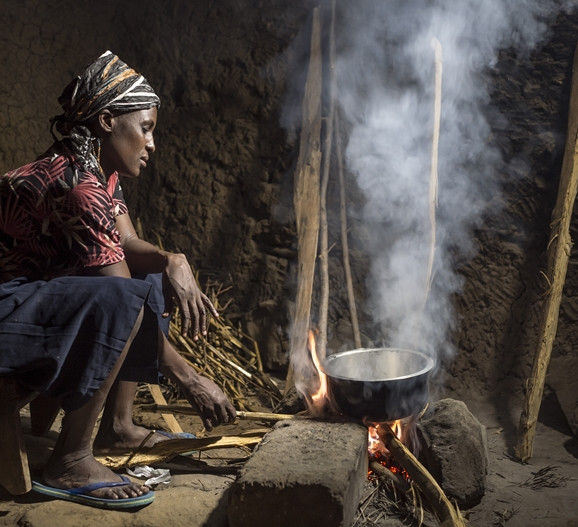
Household air pollution remains a major challenge in many LMICs, where around 3 billion people still rely on biomass fuels such as wood, charcoal or agricultural residues for cooking and heating. In poorly ventilated homes, these fuels can produce particulate matter concentrations far above WHO recommended thresholds.

Despite its health impact, air pollution remains insufficiently addressed in many countries due to limited monitoring systems, weak regulations, and competing public health priorities.

Integrated activities

Two founding members of IPORA from two different disciplines and two different countries found a complementary interest and skills to capitalize on their expertise, join forces to tackle new issues and involve new partners in their thinking. The LASMES (LAboratoire des Sciences de la Matière, de l‘Environnement et de l’énergie Solaire) team in UFHB, Abidjan, had a history of research on domestic pollution, but this research did not have a health component targeted on children, a highly vulnerable population in front of air pollution. The GhiGS team in UB, France, had a history of research on respiratory pathology in young children, particularly in the field of tuberculosis. The two teams came together to set up a research agenda on the consequences of domestic pollution on child health, and integrated clinical research teams, economists, community members and ministerial authorities into their work.

This agenda includes research on the impact of pollution on respiratory health in children and their family entourage, and on large-scale complex interventions to mitigate domestic air pollution and its health impact.


Academic validation

During the first cycle of IPORA funding, this research axis generated significant scientific and collaborative outputs. Researchers published or presented nine articles based on IPORA seed projects or earlier initiatives that benefited from IPORA’s interdisciplinary collaboration. Four IPORA-funded seed projects were developed and implemented, while two new projects — Airyouth and Electric Cooking — were prepared with four new international partners, including research institutions in the Netherlands, Germany, Slovakia and France. External funding was successfully secured for the Electric Cooking project, and one PhD project was initiated.

These activities also contributed to the creation of REALLITYS, a new IRD-funded research network bringing together nine French research teams and thirteen partner institutions in five African countries. The network studies the links between air quality and respiratory health in African cities in order to support evidence-based policies and contribute to the development of healthier and more sustainable urban environments.

Associated projects

Fighting air pollution by promoting electric cooking in Abidjan

Fighting air pollution by promoting electric cooking in Abidjan

This pilot study in Abidjan, Côte d’Ivoire, evaluates whether subsidizing and promoting electric pressure cookers can reduce household air pollution, fuel consumption, and women’s exposure to harmful pollutants, while exploring potential health benefits for mothers and children.

More info

Health impacts of household air pollutants of emerging concern in children, adolescents and youth– Characterization, behaviour change interventions, and integration into policy and practices

Health impacts of household air pollutants of emerging concern in children, adolescents and youth– Characterization, behaviour change interventions, and integration into policy and practices

Explore the impact of household air pollutants on childrens respiratory health, delving into characterization, behaviour change, and policy integration. Focuses on emerging concerns like ultrafine particles and microplastics, aiming to develop mitigation guidelines and tools

More info

Respiratory disorders in children exposed to air pollution in Abidjan, Côte d’Ivoire – long-term follow-up

Respiratory disorders in children exposed to air pollution in Abidjan, Côte d’Ivoire – long-term follow-up

Study on the long-term impact of air and indoor pollution on respiratory disorders in children in Abidjan, Côte dIvoire, highlighting the dire health consequences of environmental contaminants.

More info

Respiratory health in children exposed to air pollution from biomass combustion at home or during maternal professional activities in Abidjan, Ivory Coast.

Respiratory health in children exposed to air pollution from biomass combustion at home or during maternal professional activities in Abidjan, Ivory Coast.

Study on the respiratory health of children in Abidjan exposed to air pollution from biomass combustion at home or during maternal professional activities, and its impacts. Focuses on those under 15, assessing health status, exposure levels, and awareness.

More info